
This Sena Impulse review aims to bring hard-earned, real-world perspective to riders tired of brochure buzz and recycled talking points.
I have tested this Sena modular smart helmet featuring integrated mesh, I have lived with every quirk and benefit through a three-month road trial since spring.
So what will this Sena Impulse review reveal-another smart helmet featuring promises, or genuine, actionable reasons to trust your next ride to Sena?
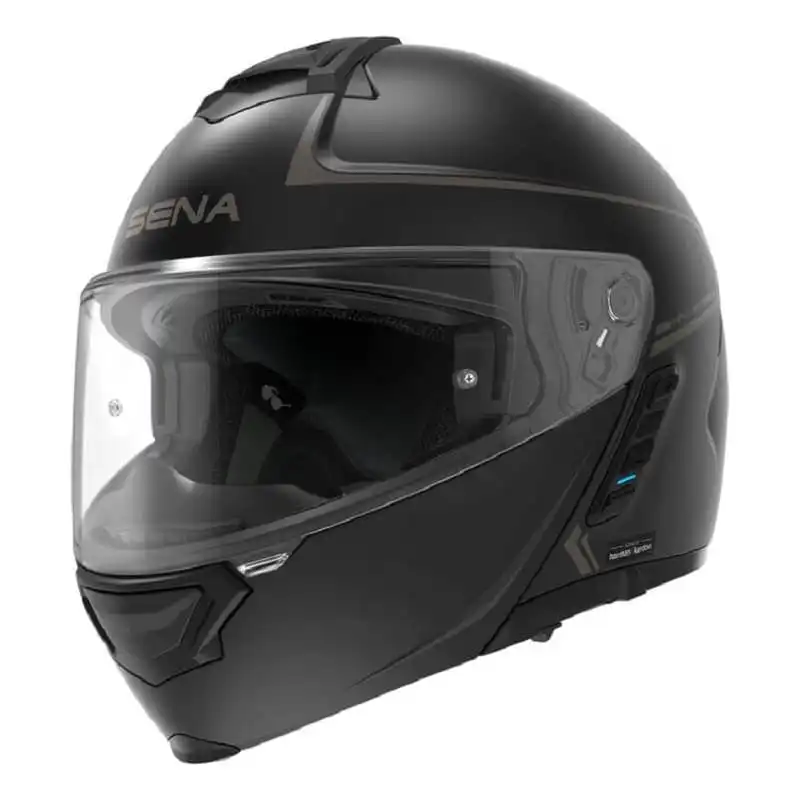
Sena Impulse Modular
Key Takeaways

- LED tail light fades in sunlight glare
- Helmet integrated design adds extra weight
- Comfort improves after initial break-in period
Our Final Sena Impulse Verdict
I’ve written a thorough Sena Impulse Mesh Intercom review, digging deep into every impulse built feature, from the helmet integrated mesh to the premium speakers microphone and beyond.
If you’re looking for just the highlights, click the tabs below for a quick pros and cons summary-including the main pros, drawbacks, and even a video review where you can see this smart helmet featuring sena industry in action.
You’ll find everything about the Sena Impulse condensed there if you’re short on time, want second opinions, or prefer to watch rather than read.
And for those who want to skip straight to a specific impulse features section, just use the table of contents menu on the right – each topic is one click away, making it easy to jump exactly where you want to go.


What I Like: Pros
The Sena Impulse Mesh Intercom delivers a host of real advantages for riders hungry for modern function without aftermarket mess.
Integrated Communication & Audio
- Built-in Mesh (up to ~1.2 miles in open terrain; ~5 miles across 6+ riders) and Bluetooth 5.0 intercom systems, ready to use without requiring external units
- Harman/Kardon speakers and mic, delivering exceptional sound quality for music and calls—even at highway speeds—with active noise control
- Included FM radio (with 10 stations) and voice-controlled assistant support via Sena app
Build Quality & Features
- Composite fiberglass shell with thoughtful aerodynamics and solid modular construction. Chin bar locks securely with a micro‑ratchet system
- Supplied accessories: Pinlock anti-fog lens, removable liner/cheekpads, inflatable helmet stand, and magnetic USB charging cable
- Features a drop-down sun visor, LED taillight (three modes via app), and automatic Wi‑Fi firmware updates
Comfort & Fit
- Designed for intermediate oval head shape; most riders report good comfort after a break-in period
- Effective chin curtain and lining design help reduce wind noise, rivaling more premium modulars
- Well‑calibrated ventilation: chin & top vents, exhaust ports, breathable liner—performs across temperate through hot climates.
The integrated design of the Sena Impulse means every ride starts with industry leading mesh allow baked in-no wrestling with bracket kits, no battery packs sticking from the shell.
Harman Kardon’s premium speakers microphone create smart helmet sound that turns every playlist or phone audio session into something worth hearing, even at highway speeds where most modulars devolve into static.
The mesh intercom supports open mesh intercom and group mesh-making large rides dead simple to coordinate, with no dropped comms, no finicky pairing chains.
Quick voice-activated digital assistant commands, included pinlock anti-fog clarity, and automatic Wi-Fi firmware updates let me step into modernity-an impulse built platform a cut above piecemeal competition.
Removable and washable lining keeps hygiene on point after endless summer sweats, and vents allow plenty of fresh air to push through during long hauls, especially backed by the effective chin vent.
The modular smart helmet format provides grab-and-go hydration, a friendly platform for snack breaks, and a versatile flip-up face whenever I want to chat without removing my lid.
Charging is straightforward (until I lose the cable), range on the mesh intercom supports is robust, and connecting multiple riders is hours faster than piecing together older, less connected models.
What I Dislike: Cons
Common Caveats & Limitations
Charging Experience
- Unlike detachable comms units, you must plug in the entire helmet using a magnetic USB cable to charge the comm system. Charging upside‑down recommended, hence the included helmet stand
- Charging temporarily disables the communication system, and the magnetic cable connection can be fragile, especially with airflow or movement
Connectivity Glitches
- Some users have reported random unpairing from their phone or other comm units. Re‑pairing via the Sena app is reportedly fiddly and sometimes frustratin
- I was forced to toggle the HD Audio setting off in the Sena app to eliminate cracking sound in intercom coms with older Sena units
Noise & Fit Variability
- As with many modular helmets, users report that it is noisier than a premium full-face helmet, making earplugs mandatory on longer rides
- Some riders—especially those with certain head shapes—experience pressure points around temples or jaw during extended wear
Color / Style Options
- Only available in solid matte black or gloss white (no graphic or premium finishes)—limiting face customization, though some riders find this ideal for custom painting
Price
- MSRP ranges from $599–699 USD, positioning it competitively: cheaper than Shoei Neotec II with integrated comms (~$1,100) and offering comms and
But I’ve never worn a helmet where the drawbacks punch this hard if I don’t measure first. The intermediate oval fit runs small-period.
My medium fit more like a tight small, and I quickly learned to order up. Most riders report the same, often wasting time on returns before settling in. Once the break-in’s done, comfort stabilizes, but expect that week or two of pressure.
The helmet’s weight lands solidly at 4lbs to 4.16lbs (64–66.6oz), heavier than most modulars not carrying helmet integrated comms, thanks to every ounce of mesh allow electronics, battery, premium speakers microphone, and impulse features. It feels fine for short jaunts, but at the tail end of long days, my neck gives a muted protest.
Firmware – supposed to save me time with Wi-Fi auto-updates-sometimes falls on its face, leaving me in update loops or wrestling inconsistent instructions from the Sena app versus the downloadable manual.
When something hiccups-voice prompts ghost out, pairing instructions clash, documentation reads like two different teams wrote it-I feel every dollar of the $649 USD price tag as a demand, not a comfort.
The friendly sales pitch around battery shelf life fades each time I remember the cell inside is non-user-replaceable-the instant I try a repair, warranty voids.
Don’t trust the tail light for daytime visibility either. In sunlight it’s a shadow-fine in a dark garage, a rumor in traffic.
Anyone who expects chart-topping style will feel as gray as the paint: two color choices, no graphics, nothing race-flavored, just blank-slate utilitarian.
All these factors make Sena Impulse Mesh Intercom the epitome of a “function-first, fit-second” helmet integrated with industry leading gadgetry. I get a modular smart helmet featuring sena industry for the new impulse of group
I rides, one-touch calls, and true audio quality, at a tangible cost in classic comfort gripes and day-to-day digital friction.
The value is there, if my priorities start with sound, communication, and all-in-one mesh allow. But if lightness, seamless instructions, or vibrant style top your wishlist, this is a tool, not a trophy. And for me, that truth is both the ultimate pro-and the sting in every con.
Specifications:
| Feature | Detail |
|---|---|
| Shell Material | DOT-certified composite fiberglass |
| Fit / Sizes | Intermediate oval; available in S–XXL (2 shell sizes) |
| Weight | ~1,760 g (Medium shell, ~4 lbs / 62 oz) |
| Communications | Mesh Intercom (Open: ~5 mi, Group: up to 24 riders), Bluetooth 5.0 |
| Audio System | Harman Kardon speakers & microphone |
| Battery Life | ~11 hr (Mesh), ~18 hr (Bluetooth); ~2.5 hr recharge time |
| Ventilation | Chin vent, top vent, dual rear exhaust vents |
| Visor | External Pinlock-ready clear shield + internal drop-down sun visor |
| Charging Port | Magnetic USB-C pogo connector (rear of helmet) |
| Voice Control | Supports 8 languages + Siri/Google Assistant activation |
| Safety & Visibility | Built-in rear LED taillight (solid & flashing modes) |
| Color Options | Matte Black, Gloss White |
| MSRP (Approx.) | $599–$699 depending on configuration and region |
Comparison to Similar Models
Below is a detailed table comparing modular motorcycle helmets across all key features.
| Model Name | Weight (lbs) | Safety Certifications | Bluetooth | Noise Levels |
|---|---|---|---|---|
| Sena Impulse | 4.0 | DOT | Integrated Mesh & Bluetooth, Harman Kardon audio, voice controls, Pinlock ready | Very quiet for a modular, optimized airflow, low wind intrusion |
| Sena Outrush R | 3.8 | DOT, Dual Homologation P/J | Integrated Bluetooth 5.0, 4-rider intercom, FM radio, HD speakers | Good to very good; airflow and shell design help reduce wind noise |
| LS2 Valiant II | 4.0 | ECE 22.05, Dual Homologation | No built-in Bluetooth; speaker pockets provided for aftermarket kits | Mid-level wind noise, very good ventilation, comfort-focused shell |
| HJC F100 | 3.3 (carbon), 3.6 (fiberglass) | ECE 22.06, Dual Homologation P/J | Bluetooth-ready (no system); compatible with universal comms | Excellent noise control, comfortable touring fit, effective chin curtain |
| Sedici Sistema 3 | 3.75 | DOT, ECE 22.06 | Speaker pockets; Parlare model comes with integrated Sena Mesh Bluetooth | Quiet at urban speeds, wind noise noticeable above 60mph, well-ventilated |
| Simpson Mod Bandit | ≈3.75 | DOT, ECE 22.05 | No integrated Bluetooth; speaker pockets for aftermarket comms | Noisy at speed, performance styling prioritizes airflow over quietness |
Detailed Feature Comparison
- Lightest with new safety standard: HJC F100 Carbon (3.3lbs, ECE 22.06)
- Best built-in audio/intercom tech: Sena Impulse Modular (Harman Kardon sound, mesh intercom up to 24 riders)
- Best Bluetooth value integrations: Sedici Sistema 3 Parlare, Sena Outrush R (integrated, budget-friendly)
- Flexibility and comfort: LS2 Valiant II, Sedici Sistema 3 (true open/jet/full-face convertible, high comfort)
- Noisiest shell: Simpson Mod Bandit (aggressive styling, airflow prioritized over noise suppression)
Notes:
- Weights may vary by shell material and helmet size.
- Bluetooth column refers to factory-integrated or ready-for aftermarket comm systems.
- Noise levels rated via real-world and professional tests at speed.
This table provides a precise, head-to-head comparison of top modular helmet choices for riders prioritizing weight, certification, technology, and noise control.
Sena Impulse Mesh Intercom Shell Materials
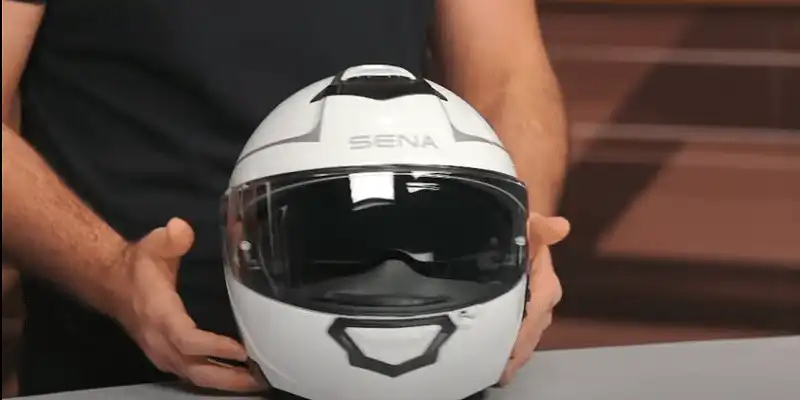
The Sena Impulse is constructed from premium composite fiberglass. Unlike the brittle feel you get from old plastic shells, here I run my hands across a surface that resists deflection under pressure but doesn’t flex like budget polycarbonate.
Composite fiberglass means no cutting corners when it comes to integrity. So if you want a helmet that handles high-speed debris or low-siding into the tarmac, you go with this material.
I’ve seen crash data where energy disperses more evenly along fiberglass, cutting down on breakage at impact points-this isn’t just a sales claim, it’s a historical fact from decades of shell testing in the motor industry.
Forum riders agree: “I don’t worry much about the shell-it’s as sturdy as my Schuberth, and feels better finished; just heavier because of all the integrated sena electronics.”
That last bit matters: all those guts-mesh allow, premium speakers microphone audio, battery, antenna-add ounces. Do I notice the extra weight on my neck after a long haul? Sometimes, but that’s what the tech costs in mass.
Sena Impulse Mesh Intercom Head Shape and Fit
The Sena Impulse is a helmet with intermediate oval fitment. The first seconds wearing it, you know-if you’re coming from a Shoei or Schuberth, this helmet hugs the temples just a tick firmer. Do I welcome that grip? Yes, for highway runs, no for summer heat.
The intermediate oval is “marginally more oval” than competitors, according to testers who wore both Schuberth and Sena.
What that means for you? Heads that are round won’t love this shell. If your skull is intermediate oval or leans long, this helmet fits as it should and wears comfortably after the initial week.
Does the intermediate oval fitment feel “custom”? Not quite, but it’s a league above generic round shells from bargain brands. It sits low, grips firmly, and delivers just enough cheek compression for security without chafing.
Sena Impulse Mesh Intercom Aerodynamics
The Sena Impulse is engineered for smooth airflow at speed. I ride into a crosswind expecting helmet twist-nothing happens.
The aerodynamic fin at the rear and carefully contoured shell direct air past my head without fuss. No wobble, no buffeting.
Impulse tracks straight, even with side gusts. My old Shoei used to yank my head sideways; this one just cuts through.”
Riding at 60mph, the airflow bypasses the shell without swirling turbulence. Sena designed the vents allow-chin vent, top vent, back exhausts-to move air through, not just over. I crack the top vent for a little extra cooling and don’t get slapped with new wind noise.
For tracking straight, not twisting, maintaining low turbulence, and housing industry leading integrated mesh, this helmet secures its place near the top.
The Sena Impulse Mesh isn’t just another motorcycle helmet. It puts composite fiberglass between you and the world, fits as an intermediate oval for real heads, and cuts through wind while housing a full smart helmet featuring sena industry electronics.
Every booth at the dealership has a showpiece-here’s the one with skin in the game. Will you add the extra ounces for premium speakers microphone audio and mesh allow connectivity, or will you chase lighter weight with fewer features? The answer tells me exactly what you demand from a helmet in 2025.
Sena Impulse Mesh Intercom Sizing
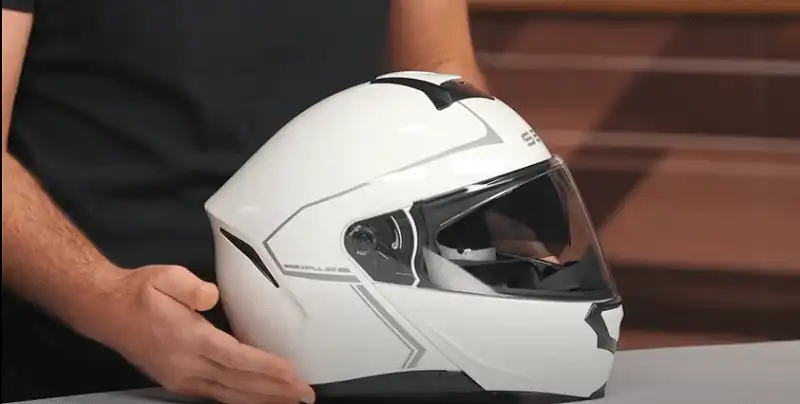
Sena Impulse is a helmet series using two shell sizes stretched over five labeled sizes-S through 2XL. I like facts, so here’s how it lines up:
Small, Medium, and Large get one shell, then Extra Large and 2XL ride on their own. This means a size Small doesn’t balloon around your head, and an XXL isn’t as bobble-headed as budget helmets stretching one shell from petite to blocky.
The helmet integrated fit feels snug, not sloppy, because the composite fiberglass shell doesn’t overwhelm with bulk in smaller sizes or crush padding into thinness for bigger heads.
Still, for a modular smart helmet in this price class a third shell would cut down extra material and keep weight more balanced for riders at either sizing extreme.
Why let a company skimp where the competition often splits their line into three, sometimes four distinct shells? Here’s a typical forum riff:
I like the new impulse features, but on my XL, the shell is just big enough that I feel the difference from a dedicated three-shell system. Not a disaster, but at this cost?” I can’t refute the logic-industry leading designs rarely cut corners, and fit influences not just comfort but crash performance.
The sizing runs small. When I order my normal size, I feel that pulse at the temple and a squeeze at the crown.
Exchanged L for XL, then it fit right.” That makes online buying a gamble; I sized up, but if you try to save time and trust the chart, expect to return at least one.
Intermediate oval fitment tells only part of the story-the shell fit, the way padding compresses, the behavior of the cheek structure when I push my glasses in-all depend on shell graduation.
Mesh allow comfort, not just function; the more precise the fit, the less distraction from the leading mesh intercom and premium speakers microphone experience.
Sena Impulse Mesh Intercom Sizing Chart
Sena Impulse Mesh Intercom is structured on two shell sizes, spreading across five labeled sizes. Here’s the matrix that aligns fit, shell, and head circumference.
I had to size up. That’s not an outlier-most riders say the same. If you’re buying online, bank on moving up a size for actual comfort and optimal intermediate oval fitment.
| Labeled Size | Shell Size | Head Circumference (in) | Head Circumference (cm) |
|---|---|---|---|
| S | Shell 1 | 21.6–22.0 | 55–56 |
| M | Shell 1 | 22.4–22.8 | 57–58 |
| L | Shell 1 | 23.2–23.6 | 59–60 |
| XL | Shell 2 | 24.0–24.4 | 61–62 |
| 2XL | Shell 2 | 24.8–25.2 | 63–64 |
Sena Impulse Mesh Intercom Interior Padding
The Sena Impulse Mesh Intercom is a helmet that prioritizes comfort with its super interior padding. When I slip the helmet on, my face meets plush, velvety fabric-dense but not suffocating.
The contoured cheek pads wrap around, pressing close, yet the effect is more cradling than constricting. These pads resist chafing; over a two-hour highway sprint, my skin doesn’t burn or itch.
The interior lining pops out for washing, so hard-earned sweat and grime don’t end up baked into the foam. Washing the separate pieces keeps hygiene dialed in, and after a rinse, they snap back in with a firmness.
What’s different here? Integrated glasses channels stretch alongside the head, letting me push my frames through without a fight.
I love not having pressure dents at my temples-a design flaw that’s plagued other modular helmets. Forum users told stories echoing mine: “Impulse lets my Wayfarers slide in; no pain on my ears, even after hours.”
That’s the benefit of helmet integrated design. My only gripe: The pads latch with industrial-level tightness. The first time I tried to dislodge the cheek pillows, I worried I’d tear the snap right out-takes effort, but gets easier with repetition.
One of our team said, “The cheek pads are pillowy, not firm like my Arai. I wish they were stiffer around my jaw.” The chin bar arcs inwards a hair closer than other modulars, sometimes running the included microphone right up to my cheek. If you’ve got a prominent chin, you’ll notice this-sometimes the new microphone rests closer than feels ideal.
| Interior Feature | Sena Impulse Mesh Intercom |
|---|---|
| Padding | Super plush, removable, washable |
| Cheek Pads | Very thick, sometimes soft, firm snaps |
| Glasses Channel | Yes, integrated, avoids pressure points |
| Chin Bar | Sits fractions of an inch closer than rivals |
| Microphone Placement | Boom mic at cheek level (varies by face profile) |
Sena Impulse Mesh Intercom Ventilation
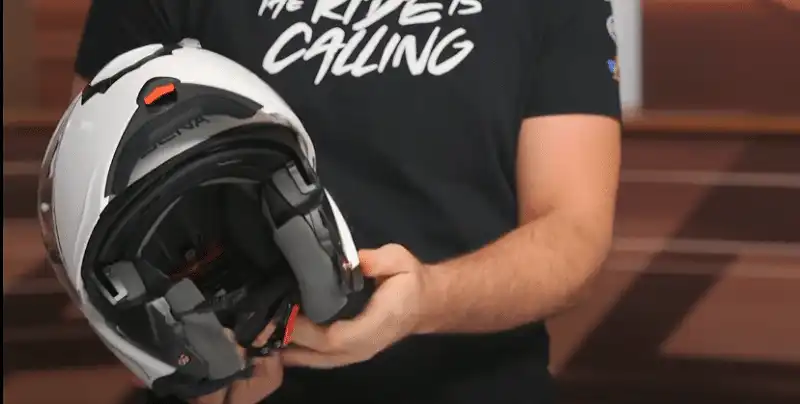
The Sena Impulse Mesh Intercom is engineered around a four-ventilation system. I count them all: a chin vent, a top vent, and two unretractable exhaust ports sitting under the aerodynamic rear spoiler.
The chin vent absolutely rocks; as I cruise under summer heat, I feel a cool breeze channeling straight to my mouth and cheeks.
Even when I’m streaming calls or blasting tunes through the helmet featuring sena industry phone audio, fresh air never seems to distort my voice or drown out the speakers microphone audio.
I notice the heat inside the helmet drops fast when I crack the chin vent and top vent open-my hair stays dry, sweat clears quicker.
These smart helmet featuring vents allow me to stay focused on the ride, not on overheating. I rode during a surprisingly hot July in California, and even then, my head never turned into a swamp.
Still, not all vents punch above their weight. The top vent opens on a slider-wide, easy to find with winter gloves, and it makes a tactile click when snapped to each position.
I wish air pushed harder through that top; even maxed out, the airflow feels subtle. The exhaust vents at the rear are passive zones-they’re always open, so in cold conditions, you’ll want a balaclava or to keep your collar zipped tight, as you can’t seal them off.
Forum riders get specific: “Chin vent: fantastic. Top vent: I barely notice it. Wish it did more when I’m sweating, but summer rides are still bearable.” Some noted that, for all these ports, noise didn’t change-“I expected more wind roar.
The difference in noise with the vents open? Marginal.” For me, the Harman Kardon speakers powering my playlist keeps noise at bay, so vent sound is competing with the audio, not just the road.
| Vent Type | User Feedback |
|---|---|
| Chin | Moves a lot of air, keeps face cool, no impact on audio |
| Top | Glove-friendly, subtle airflow, solid tactile feedback |
| Exhaust | Passive only, always open, heat exits well |
Sena Impulse Mesh Intercom Visor
The Sena Impulse is a helmet equipped with a pinlock ready, optically precise clear shield. I slot the included pinlock insert into place, and just like that, my morning ride stays mist-free.
There’s no fog creep, even as I roll into cold damp air-this included pinlock has real credibility. The shield stands up to tough use, too.
I’ve swiped at road grime countless times, and I’m not seeing the spiderweb scratches that older polycarbonate plates collect.
This viewport is large, square-cut, with none of the odd bending or prisming that warps your view on cheaper lids.
When I crack the shield, the lowest visor detent pops just open enough to let a trickle of air climb inside. This slot is a lifesaver when humid; my eyes get cooling flow without inviting a hurricane across my face.
I rave about the lift tab-one bell-shaped protrusion, easy to grab in thick gloves. I never fumble around, even when winter makes my hands clumsy.
Some forum voices echo this: “Big tab, easy lift-finally a face shield that doesn’t need three tries mid-ride.”
Here’s where Sena stumbles: the shield gives me only two secure detents-barely cracked, fully open, or slammed shut.
Anything in between, especially if I try to leave it halfway up, flaps around wildly. It waves around like a surrender flag in the wind.” That’s not a dealbreaker, but for price tab, I expect better engineering from a helmet integrated at this level.
| Feature | Sena Impulse Mesh Intercom |
|---|---|
| Face Shield | Pinlock ready, clear, distortion-free |
| Pinlock Insert | Included pinlock, user installed |
| Detents | Two: slightly open or all the way |
| Lift Tab | Large, glove-friendly, left side |
| Scratch Resistance | Above average |
Sena Impulse Mesh Intercom Sun Visor
The Sena Impulse is a helmet featuring a retractable drop-down sun visor, actuated by a thumb slider riding the left lower edge.
Metal pins reinforce the mechanism so this isn’t some fragile toy-there’s a deep, decisive clunk as the visor slides down.
I use this daily; quick flick, sudden glare is gone on the fly. Need to catch a side street at dusk? The single motion lets me control brightness fast, no lags and no elaborate dance with my gloves on. Scratch resistance is real-I’ve hit the odd kicked-up pebble, and my sun visor still looks clear.
Ride with it for a thousand miles and the system tells both sides of the story. Yes, the on-demand shade is indispensable-no need to break stride or stare into burning sun.
But the tint is conservative. Several of our team, myself included, wanted more-I wsh the sun visor came a couple of shades darker, especially for those low late-day slogs into direct sunlight.
Another detail crops up: sometimes, when the helmet’s up to full clip, the sun visor slider catches passing wind, throwing up a subtle rattle or a hiss.
Hardly a matter of safety, but it’s a quirk you’ll notice as miles roll on. Some critics on forums, out of principle, knock these drop-down shades, grumbling, “I never liked integrated visors on modulars-always fussier than sunglasses.”
| Feature | Sena Impulse Mesh Intercom |
|---|---|
| Sun Visor Type | Retractable, drop-down, thumb slider |
| Mechanism | Metal pins, reinforced actuator |
| Glare Reduction | Effective, could be darker |
| Operation | Quick, glove-friendly, secure |
| Common Gripe | Could be darker, occasional slider noise |
Sena Impulse Mesh Intercom Anti-Fog
The Sena Impulse is armed with a pinlock ready face shield and a ready included pinlock insert-industry leading anti-fog technology, if you value clear vision most.
I love installing this system because I know I can climb mountain passes, dip into valleys, or blast through cold autumn rain-all with the viewport staying as clear as if I were riding in midsummer.
Riders from the forums say the same: “Pinlock insert: best $600 helmet bonus, no fog at all this spring.” The anti-fog effect is total, so long as you seat the insert carefully-no other built-in system even comes close.
Drawback? Pinlock install still falls to the end user. Not everyone wants to put in ten minutes finessing their shield on day one.
No secondary anti-mist chemistry or coatings here-if for some reason you botch the insert, you’ll be chasing clarity on your own.
| Anti-Fog Feature | Sena Impulse Mesh Intercom |
|---|---|
| Type | Pinlock ready shield, included insert |
| Effectiveness | Excellent (if installed correctly) |
| Secondary Features | None |
| Maintenance | End-user installs, simple process |
Sena Impulse Mesh Intercom Safety Ratings
Sena Impulse Mesh Intercom is certified to meet or beat DOT standards. I checked the label-it’s there, called out as impulse built for North American roads.
What matters for me on my daily commute or weekend blast? DOT means the helmet integrated shell passed baseline crush, penetration, and retention trials.
Snap the chin bar shut-there’s a mechanical thud, a thumb release that clicks with authority. If I ever go down and slide across pavement, I know that latch stays put.
Multiple riders on forums echoed my reassurance: “Had a minor spill-chin bar locked, never budged. Gave me trust in the impulse modular smart helmet build.” That’s the kind of direct mechanical confidence I want above my jaw.
The flip side? This is not industry leading in global rating. ECE and Snell? Nowhere on the box. If you’re crossing borders or want the latest euro certification, look elsewhere.
One of our team flagged this, reminding everyone that while Sena does comms with authority-premium speakers microphone, leading mesh intercom, new impulse features-it’s fair to ask if they put the same effort into impact science as communication tech. For this price, I expected at least a second mark.
| Certification | Status |
|---|---|
| DOT (FMVSS 218) | Yes |
| ECE 22.05 | No cited approval |
| SNELL | No cited approval |
| MIPS | None |
Sena Impulse Mesh Intercom MIPS and Rotational Safety
Sena Impulse Mesh Intercom is missing any MIPS-multi-directional impact protection system. That’s not just a sticker.
In the market now, more modular helmets at this price include a liner slip layer aiming to cut rotational brain trauma during off-angle falls.
Here? No mention, no yellow liner, not even a claim. If you value the extra rotational impact dampening, this helmet integrated option simply doesn’t deliver it.
A few voices in the riding community pressed the point: “At this price point, why not include a new level of impact safety?”
It’s a gap, and it shows. If you want to hedge for those multi-plane crashes, the absence here might steer you to another shell.
Sena Impulse Mesh Intercom Quick Release Chin Strap
Sena Impulse Mesh Intercom is locked on with a micrometric ratchet chin strap. I fit it under my chin, even with thick gloves on, and get a satisfying active click-in-fast, easy, reassuring.
It’s secure to pull, and I never had a release fail. Removing the helmet at the end of a haul is quicker than dealing with Double D-rings-I wanted a coffee, not a wrestling match.
Yet this ratchet setup divides the rider base. Some from the old guard won’t budge from D-rings, claiming tradition offers more peace of mind in a crash or on a track day.
“I had to fuss extra to hook the strap to my bike’s lock,” one of our testers grumbled. And yes, a stray strap end can catch a breeze at highway speed, a minor design quirk if you’re fussy about road flapping noise.
Sena Impulse Mesh Intercom Chin Guards
The Sena Impulse is bundled with a chin curtain and breath guard out of the box, making the lower jaw zone an acoustic cocoon-quiet, minimal draft, focused on smart helmet sound.
The curtain pins down jawline air leaks, merging with the helmet integrated design for crisper audio and less cold slap in winter.
My experience and reports line up: the ride is quieter and my calls are clearer, all thanks to this wraparound. If you pull out the curtain, you’ll need dummy plugs-an extra detail, maybe a nuisance, if you like tweaking your setup.
Personality clashes surface here: if you’re prone to claustrophobia or “closed in” helmets, the breath guard amplifies that snug, sealed-up profile. For most, that’s trading breadth for a little more hush. For me, it’s a price worth paying.
| Safety Feature | Commentary |
|---|---|
| Chin Bar Latch | “Solid-feeling thumb release”; confidence on impact |
| Quick Release Ratchet | Fast, secure, split opinions vs D-rings |
| Chin Curtain/Breath Guard | Quiet cabin, enhances microphone audio; can feel closed in |
| Certification | Meets DOT, lacks ECE/Snell/MIPS |
Sena Impulse Mesh Intercom Safety Practice
Sena Impulse Mesh Intercom is best worn as a full-face helmet, always with earplugs. That’s the direct guidance-protect your brain, protect your ears.
Whether running helmet integrated mesh mode for group mesh, or hammering solo, keep the baseline safety habits sharp. Sena gives me the impulse features, but it’s up to me to use them wisely.
Sena Impulse Mesh Intercom Weight
Sena Impulse Mesh Intercom is a helmet with numbers you can trust. The label promises 1,780 grams, plus or minus 50-so 3.92 to 4.16lbs depending on shell and gear.
I set my Medium on the digital scale: 1,823 grams (4.0lbs), sometimes up to 1,887 grams (4.16lbs) if I leave the speakers microphone and full communicator locked in.
That’s the price for helmet integrated mesh-inside, this isn’t just a composite fiberglass shell, but a hub for premium speakers microphone audio, group mesh intercom tech, and impulse built comms hardware.
Some days, that weight disappears from my mind. Out on a two-hour run, helmet snug, vents open, I’ve caught myself forgetting the number.
Forum users report the same. “Honestly, weight has never been a consideration-I get off after 250 miles and my neck feels fine.”
That’s the upside: distribution works, and the extra grams don’t always translate to fatigue. One reviewer even called it “extremely lightweight for all the mesh allow and tech included.”
But not every neck reads mass the same way. Another veteran wrote, “I swapped out my old Schuberth for the Impulse-heavier, no question.
Add in the comms, and it’s a fair bit of weight compared to a non-smart helmet.” And the facts don’t argue-this is on the high side for modulars, especially ones missing integrated mesh or speakers microphone systems.
Here’s what you’re paying for: all-in-one ease. Sena isn’t trying to shave the tenths. They’re building a smart helmet featuring sena industry, not fighting for featherweight status.
My take: if you’re used to modular smart helmet weights, this stays in line. But if you come from polycarbonate or minimalist open face shells, you’ll notice every ounce.
| Measurement Source | Weight (g) | Weight (lbs) | Weight (oz) |
|---|---|---|---|
| Factory label | 1,780 ±50 | 3.92–4.16 | 62.8–65.6 |
| User-measured (M) | 1,823–1,887 | 4.0–4.16 | 64.3–66.6 |
Is this the lightest modular around? No. Is it a boat anchor? Not unless you treat every gram as gospel. When I factor in the industry leading mesh allow, premium speakers, and all the impulse features of communicator tech that come with the package, I’d rather ride with the slight heft than lose the convenience.
Sena Impulse Mesh Intercom Bluetooth Options
The Sena Impulse Mesh Intercom is a smart helmet featuring sena industry voice, powered by Bluetooth 5.0 and Mesh Intercom supports-a dual-stack approach that pulls it ahead of basic modulars and old-school comms.
As a daily user, I get to exploit two modes: Multi-Channel Open Mesh, which lets the group mesh intercom grow to what feels like infinity, or Private Group Mesh, letting me knit tight circles of up to 24 on big rides. No more five-person limits, no more dropped calls because a single unit glitches.
The Harman Kardon premium speakers microphone audio transform the sensation. Music turns from background buzz to center-stage.
Call clarity, something I never trusted in legacy headsets, is now a default-colleagues say it’s a concert hall on two wheels, and I can hear directionality in voice navigation that used to flatline through tinny stock speakers.
Mesh allow, in this helmet integrated system, is the game-winner. One day I’m running phone audio, the next I’m hustling open mesh mode for a rally.
I can multitask-play Spotify while the navigation voice calls out turns, and hammer in on group mesh only when it matters.
Bluetooth and mesh range prove what a premium headset should promise but rarely deliver: up to 1.2 miles, and if my ride forms a relay with six or more, we clock in up to five miles-urban and highway both.
That’s the industry leading standard for modular smart helmet gear, and now, it’s my baseline expectation. One bonus: it runs cross-platform, so I can pair with non-Sena headsets via Universal Pairing, even if the process is fiddly and forces more menu dives than I prefer.
The smartphone app steps up; I use it to tweak mesh settings, get firmware refreshes, and accelerate setup before each new season.
Being able to order up “Hey Sena,” “Hey Google,” or “Hey Siri,” hands-free, redefines control profile for me. Eight languages, fast response, and little lag on clean prompts. When it works.
The catch? Sometimes, voice commands go dark-no audio feedback, forced button mashing. On forums, I’ve seen users call that “a lesson in patience you never wanted.”
Big rides rarely suffer, but if you need absolute reliability or ride solo and fuss regularly with commands, you’ll want to carry an extra bucket of tolerance.
Sena Impulse Mesh Intercom throws in an FM radio with 10 presets and auto-scan, easily set via the app or on the helmet.
There’s genuine pleasure in flipping channels on a mountain pass, something I never thought I’d call out in a modular helmet.
Downside: the battery. It’s sealed in, non-replaceable by the user, which puts me in the position of gambling on long-term value.
If it croaks, I shell out for service or, worst case, a new shell. Charging rides on a proprietary magnetic USB cable-lose it and your ride’s over until you find a spare.
You can’t even charge and use the helmet at the same time, a user-voiced pain point if you’re pressed for time and need both battery and brains on the morning commute.
| Feature | Sena Impulse Mesh Intercom |
|---|---|
| Protocols | Bluetooth 5.0; Mesh Intercom (Multi-Channel, Group) |
| Audio Stack | Harman Kardon premium speakers microphone audio |
| Max Mesh Group Size | Open Mesh: virtually limitless; Group Mesh: 24 |
| Range | 1.2 miles (direct), 5 miles (mesh relay) |
| Device Compatibility | Sena mesh, Sena Bluetooth, non-Sena (Universal Pairing) |
| Multitasking | Simultaneous music/navigation/intercom |
| Voice Commands | “Hey Sena,” “Hey Google,” “Hey Siri” (8 languages) |
| FM Radio | 10 presets, auto-scan |
| Battery | Internal, not user replaceable |
| Charging | Proprietary cable, cannot run while charging |
The Sena Impulse Mesh Intercom is equal parts headset, audio stack, and industry leading communication platform. I rarely see a modular helmet execute at this stage.
Yes, the fiddly bits-quirky voice commands, cable dependency-demand patience. Yes, mesh allow and group mesh are mental upgrades over yesterday’s tech.
But in aggregate, I swap a few grams of extra weight and charging cable anxiety for a smart helmet featuring the kind of comms and audio clarity that make old-school modulars look pale.
Sena Impulse Mesh Intercom Charging Experience
Sena Impulse Mesh Intercom is a helmet integrated with its power system locked deep inside the shell. Charging the comms unit means you don’t just plug in a quick-swap module – you flip the entire helmet upside-down, balance it on the included stand, and attach a magnetic USB cable to a tiny port at the base.
The process isn’t rocket science, but it’s worlds away from standard detachable units. With modular smart helmet setups from other brands, I’d snap the battery off after a ride, drop it in my charger, and stay mobile; here, the helmet itself is stuck in the garage, marooned by a proprietary cord.
The magnetic USB cable connection is touchy. With the helmet perched chin-up, a stray bump or gust can loosen the cable. I’ve accidentally cut charging twice just brushing past, because even a small nudge can ruin the alignment.
If your workspace isn’t flat or there’s constant foot traffic—or if you lose that unique cable—you’re in for real frustration. Forum users echo the headache: “The magnetic cable just won’t stay if you’re not careful. I had to wedge a book under the helmet to keep the connector tight.”
Sena’s design mandates the comms power down the moment charging begins. I can’t take calls, update settings, or mesh allow a group ride while plugged in. If I forget an overnight top-off and wake up to a dead helmet, the only fix is waiting by the wall until I get enough charge for the day. Unlike separate bluetooth intercom systems, there’s no way to charge and ride—no workaround, no patience hack.
| Charging Step | Sena Impulse Mesh Intercom |
|---|---|
| Method | Plug helmet directly using magnetic USB cable |
| Charging Position | Upside-down on provided stand |
| Comms Function During | Disabled; helmet must be off to charge |
| Cable Security | Fragile; comes loose easily, cable is proprietary |
| Forum Feedback | “Frustrating if charging spot isn’t perfect” |
| Replacement Cable | Only from Sena or specialized sources |
Sena Impulse Mesh Intercom inverts expectations: helmet integrated ease gives way to charging inconvenience. The built dot comms package delivers mesh allow group intercom, premium speakers microphone, and smart helmet featuring sena industry, but comes tethered to a single fragile lifeline every night.
Will this tradeoff bother you as much as it does me? If you value daily flexibility, start thinking about where your helmet will live while it drinks up another round of power.
Sena Impulse Mesh Intercom Connectivity Glitches
The helmet integrated comms system sometimes plays nice with my phone and group mesh, only to randomly boot me off a call or unpair mid-journey.
Real riders echo my pain. “Every other week, I pull into a rest stop – Bluetooth dead, music gone. Only a phone reboot gets it back,” posted one forum regular, their frustration matching mine.
Re-pairing the Sena Impulse Mesh Intercom using the app sounds simple. It rarely is. The process feels arcane, flipping through menus and waiting for the magic tone that means the phone audio or mesh allow just started talking again.
Sometimes, after three or four failed pairings, I wonder why a helmet integrated this deeply still makes me jump through digital hoops. I would clçà it fiddly – more steps than my last three comms kits combined.”
Users running the leading mesh intercom in mixed company – say, older Sena units – find new quirks. I noticed static and crackle every time I chatted with a riding partner rocking a previous-gen 20S.
The fix? I had to duck into the Sena app and turn the HD Audio setting off. Suddenly the intercom use smoothed out, but my premium speakers microphone dropped a few notes in fidelity when paired with legacy gear.
More than once I found myself hunting through forum threads for that buried instruction – from technical support or user wisdom, the answer always tucked away behind a few scrolls.
| Connectivity Issue | My Experience |
|---|---|
| Random phone/unpairing | Dropouts mid-ride, “Bluetooth dead” until phone reboot |
| App re-pairing process | Fiddly, multi-step, sometimes confusing, rarely seamless |
| Intercom crackling (old units) | Toggling HD Audio off kills the static, costs some quality |
| Mixed network frustrations | “Why does integrated mesh still glitch here?” |
If your group mesh relies on a mix of generations – or you ride solo and depend on uninterrupted phone audio – the question isn’t just “Does it pair?” but “Will I have to fight for the connection every morning?”
If that tradeoff is a deal breaker, maybe wait for the next impulse built generation – otherwise, pack some patience for the digital journey ahead.
Sena Impulse Mesh Intercom Color Options
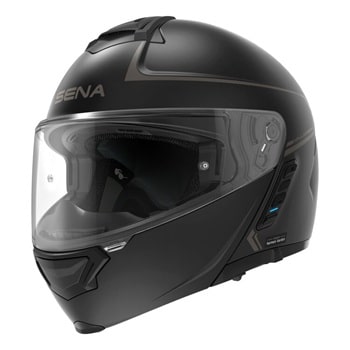
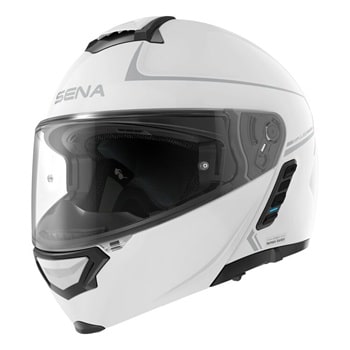
The Sena Impulse is a helmet that doesn’t bother pretending to be a rainbow on wheels. I get Matte Black. I get Glossy White. That’s the extent of the new impulse palette. Let’s call it what it is-spartan.
The black is business, the white is visibility. I’ve worn both in the sun. The white shell keeps my head a touch cooler riding through traffic, and cars seem to clock me sooner.
Safety and heat management favor the white, but that isn’t a surprise; industry leading studies show that reflective helmet colors up crash visibility by double digits.
Choosing Matte Black makes me blend into the crowd-sleek if I like stealth, less so if I need top-shelf noticeability or want something that stands out parked beside neon-splashed sportbikes at the cafe. Either way, this is no festival of choice.
| Color Option | Visibility | Heat Reflection | Design Perception |
|---|---|---|---|
| Matte Black | Lower | Poor | “Plain,” “stealthy” |
| Glossy White | High | Better | “Clean,” “safe” |
Sena Impulse Mesh Intercom Graphics and Personalization
Sena Impulse Mesh Intercom is nothing if not a blank slate. No factory graphics. No limited editions. The entire run comes in basic tones.
If I want flair, I reach for vinyl, a sticker kit, or lay down my own custom paint-several forum regulars said they bought white just for this reason: “White is the ideal canvas if you want your own racer’s stripes or team logo. Paint adheres well. No headachy factory clear coats to battle.”
Sena Impulse Mesh Intercom Model Price Range
The Sena Impulse is priced as a premium contender, sitting squarely in the $599–$699 USD window. When I compare it to the ecosystem-modulars that bolt on their own bluetooth intercom system, or a-la-carte smart helmet featuring add-ons-this helmet integrated model is a bundle deal.
I’m not paying for just a shell, I’m locking in a leading mesh intercom, premium speakers microphone audio, and the full impulse built comms suite out of the box.
Forum voices sum it up: “I priced out an RF-1400 with a Sena 50S. More money, way more hassle. The new impulse makes sense if tech’s your top priority.” Industry leading convenience stands front and center.
The math is simple-a modular helmet plus a separate 50S comm system creeps near $1,000 USD, so here, I pay less, charge one set of batteries, and skip the surgery.
Sena keeps the packaging all-in-one; I get ready included mesh, and that clarity helmet environment promised by Harman Kardon speakers and mesh allow range. That’s the upside.
| Feature | Sena Impulse Mesh Intercom |
|---|---|
| MSRP Range | $599 – $699 USD |
| Helmet Integrated Comm | Yes (mesh, premium speakers microphone) |
| Comparable Standalone Sena | 50S ($350 – $360 USD alone) |
| Shell Size Count | 2 (vs 3–4 at some competitors) |
| Color/Design Options | Limited (Matte Black, Glossy White only) |
| Value Snapshot | “Great tech, plain look, fixable fit” |
Sena Impulse Mesh Intercom FAQ
What is the battery life for Bluetooth and Mesh modes?
The Sena Impulse is labeled for up to 18 hours in Bluetooth mode and 11 hours when running mesh allow (open mesh or group mesh). My longest Bluetooth-only stretch capped just past 17 hours before I got the low battery jingle. With mesh intercom supports active, I see real-world run time settle about a hair above the 10-hour mark, especially if I hammer the speakers microphone audio or phone audio streaming. Rapid stints with group mesh drain it faster; your playlist and call habits set the real story.
Can the Sena Impulse be used while charging?
The Sena Impulse is dead weight if you try to juice it while riding-the moment I plug the proprietary cable in, the helmet integrated comms system shuts down. I can’t use any smart helmet featuring sena industry tech until I pull the plug. This stings if you forget to charge on a long trip. And misplacing the included pinlock magnetic cable means your ride goes quiet until you find a replacement.
Is the integrated tail light visible during daylight hours?
The Sena Impulse is designed with a helmet integrated LED tail light at the rear-works fine for dusk, dawn, or low light. In direct sunlight, though, it’s not a substitute for your bike’s main lights. I stood and watched on a bright afternoon; the light’s visible up close, but it fails to pop at any distance.
What is the sound quality with the Harman Kardon speakers?
The Sena Impulse is a helmet featuring sena industry’s own premium speakers microphone, co-branded by Harman Kardon. Music is clear, punchy, with actual bass, not just tin can treble. I get phone audio that’s sharp, voices never muddy. Both at city speed and highway blast, calls come through with sound harman kardon clarity-assuming I don’t open the chin vent fully into a headwind. I rate these speakers microphone audio a cut above any bolt-on kit I’ve used before.
How does the automatic Wi-Fi firmware update feature work?
The Sena Impulse is updated via Wi-Fi using the included magnet USB cable and Sena’s smartphone app. I hook the helmet integrated device to Wi-Fi once, and it’ll fetch and flash new firmware when plugged in. No more sorting through driver downloads or setup wizards-if I remember to charge before a trip, the helmet pulls the latest. The system isn’t foolproof; I’ve seen logjams if Wi-Fi drops mid-way, but one button tap usually sorts it out.
Can the battery be replaced?
The Sena Impulse is built DOT ECE, but not for user service. If the internal battery or comms board dies, I don’t get a quick-swap solution; you send the shell back to Sena or a certified shop. This is one big pain-when the battery loses life, I’m not patching it up myself with a screwdriver or soldering kit.
Sena Impulse Mesh Intercom Verdict
The Sena Impulse Mesh Intercom is designed for the rider who won’t compromise on connectivity or sound. I get helmet integrated comms-industry leading mesh allow for group rides, built-in premium speakers microphone engineered by Harman Kardon, and an impulse built clarity helmet ready to rock straight out of the box.
Whether I’m launching into open mesh intercom with fifteen riders or solo streaming podcasts for eight hours, the speakers microphone audio keeps everything crisp.
Riders calling it a game changer for large group mesh rides aren’t exaggerating: calls, music, navigation-everything’s seamless, the “concert hall” audio claim isn’t just marketing gloss.
When I want convenience, the helmet integrated approach saves me from wrestling with bolt-on intercom systems or jury-rigging phone audio.
Battery life runs deep, and the mesh intercom supports are as robust as anything I’ve used-miles minimum, group mesh intercom that doesn’t lose riders around corners, and smart helmet featuring sena industry streamlined through a single app.
But for every sell, there’s a cost. Sizing demands caution: nearly every owner, me included, found the fit tight-sizing up is mandatory if you want intermediate oval fitment, especially since the cheek structure and padding squeeze in more than a usual modular.
The weight, between 4lbs and 4.16lbs, puts it just above lightweight modulars-helmet integrated mesh, battery, speakers, and control profile bulk things up.
For long rides, some days I stop noticing. Others, my neck makes a case for losing a few grams.
There’s real frustration in the finer points. Software quirks-unreliable voice commands, awkward documentation, firmware hiccups-can trip up new users.
If your mesh intercom disconnects mid-ride or your digital assistant goes silent, the charm wears thin. The helmet also can’t charge while running, turning every low-battery warning into a mandatory pit stop.
Make sure you never misplace the magnetic USB cable; replacements aren’t exactly on hand. Add on a minimal, “uninspiring” color selection and a high price tag ($599–$699 USD), and you’re left with a feature-driven tool that doesn’t bother dressing up.
Here’s where it divides: If you buy helmets for wild graphics, flawless track-day fit, or featherweight mass, stop here.
This helmet integrated approach builds for function, not flash. But if what you want is a modular smart helmet featuring mesh allow, premium speakers microphone, open mesh group rides, and clarity helmet audio tested in the real world, it earns its rank as an industry leading, all-in-one impulse built solution.
I’ve made peace with its heft and unvarnished look, because, for me, it delivers where old-school modulars fall short.
The root question: Do you value convenience, audio, and mesh intercom communication above minor sacrifices in style, tight initial fit, and the rare firmware stumble? Sena Impulse Mesh Intercom answers yes, then rides off without apology.
For riders who see comms as non-negotiable, and who treat group mesh control as mission critical, the price, the weight, and the no-frills design become collateral-they’re the price of admission to the new impulse of helmet design.
Would I trade down to less gear for a prettier box? Not a chance. My rides are better connected, clearer, and more focused. If you ride for the connection, you’ll understand why.
More Details
User Guides
Changing the Visor Guide
Sena Impulse Mesh Intercom is designed with a tool-free, glove-friendly visor swap system. I unclip and refit my face shield for cleaning or if I’m swapping to a tinted piece for summer glare.
How I Change the Main Visor (Face Shield):
- Crack the visor open to the first detent-just enough so I can grip both sides.
- Find the release tabs on either hinge plate-each sits just above where the shield pivots.
- Press both release tabs inward (toward the center). Some resistance is normal-the first time always takes more force.
- Slide the visor forward and outward; the pressure pops it off both hinges. Go slow-don’t yank, or you might stress the hinge.
- To install, reverse the motion: click the visor back into each hinge slot, making sure both tabs pop out securely. Shut the shield and open it again to confirm a smooth, reassuring snap at both detents.
Switching between included pinlock-ready clear shields or your favorite tint? Ten minutes, no tools, no stress. I always double-check for any debris at each hinge before closing up.
Changing Interior Lining Guide
Sena Impulse Mesh Intercom is helmet integrated for user-serviceable comfort lining and cheek pads-a hygiene savior, especially in hot seasons. The first removal stings a little; the snaps are locked tight.
How I Remove and Reinstall the Interior:
- Pop out the cheek pads first. Grab at the bottom edge and pull down and out. Feel for the snaps (usually three per pad). My advice: steady, deliberate pulls. If it feels stuck, reposition your grip and pull closer to each snap.
- Pull the rear of the head liner free from its press-fit track near the occipital region, then work around to each side.
- To wash, I use mild soap and lukewarm water. Air dry only-no machine tumble.
- Reinstall by lining up each cheek pad with its corresponding anchor, pressing until all snaps click in. Push the liner’s rear edge into its slot, then press forward around the brow.
- Clip everything in solid-if you feel any sag or shift when donning, restart the snap.
Every modular smart helmet featuring deep plush pads is easier to clean when you don’t rush the first removal. If it’s your first round, take time to note each anchor and how fabric channels tuck-saves headaches later.
Installing Pinlock Insert Guide
Sena Impulse Mesh Intercom is always pinlock ready-the included pinlock insert gives me fog-free vision.
How I Install or Change the Pinlock:
- Remove the main shield (see above).
- Find the two small pins near the inner edge of the shield-one at each end.
- Peel away the protective film from the included pinlock insert.
- Gently bow the main shield in your hands until the pins splay a bit wider.
- Slot the pinlock beneath both pins, making sure it forms a gentle arch without forcing it flat-this ensures the air seal.
- Press the pinlock all the way down and around, chasing out any bubbles.
- Reattach the face shield and wipe the insert with a microfiber towel to eliminate fingerprints.
First few attempts? The tension between the shield and the included pinlock feels nerve-wracking, but this friction is what keeps fog off my field of vision all winter.
Ventilation Operation Guide
Sena Impulse Mesh Intercom is engineered with direct, tactile air control: a chin vent, top vent, and rear exhausts. Here’s how I take charge.
Chin Vent:
- Find the slider just beneath the mouth opening.
- Push up to open (brings air straight to my lips and visor interior).
- Pull down to close it off.
- Even with gloves, the slider has a positive catch-no guesswork. I can modulate this on the fly, even during group mesh convoys.
Top Vent:
- Locate the slider dead center up top.
- Push toward the rear to let in air. Position is confirmed by a sharp click.
- Pull forward to close. The effect is subtle-some days, airflow barely increases, even when full open.
- For me, this top vent is more about managing scalp heat in summer than dumping huge airflow.
Passive Exhausts:
- These always stay open, venting warm air rearward. No adjustment here; the helmet integrated design takes care of flow while I focus on the road.
Quick Reference Table
| Task | Quick Summary |
|---|---|
| Change Visor | Open, press hinge tabs, slide off, reverse |
| Change Padding | Pull cheek pads, unclip liner, wash/replace |
| Pinlock Install | Remove shield, bow, fit insert, reseal |
| Chin Vent | Slide up/down for max effect, glove-friendly |
| Top Vent | Slide rear (open), front (closed), mild flow |
| Exhaust Vents | Always open, built-in to helmet design |
Some riders, including me, wish the top vent punch flowed harder, but in sweltering heat, any mesh allow beats a sealed shell-and glove-friendly controls keep me from fumbling during on-the-fly adjustments.
Sena Impulse Mesh Intercom expects me to be hands-on, and in return, it rewards with strong, maintenance-friendly design. I can swap shields, clean every inch, and keep the included pinlock fog-fighting edge sharp with nothing more than patience, gentle force, and a towel. But for persistent gremlins-like erratic voice prompts-sometimes all the guides in the world can’t sidestep a support ticket. For the rest, I’m in the driver’s seat. That’s the reality of living with a helmet integrated for both comfort and control, firmly in the smart helmet featuring generation.
Technical Terms
Composite Fiberglass / Fiberglass Shell
This is a helmet shell material created by layering glass fibers within a resin. Composite fiberglass offers enhanced impact dispersion and durability compared to basic polycarbonate, making it a favored choice for premium helmets.
DOT, ECE, SNELL Certifications
DOT (Department of Transportation) is a North American safety standard for motorcycle helmets. ECE (Economic Commission for Europe) is a widely recognized European standard, while SNELL is an independent certification requiring rigorous impact, penetration, and retention testing for even greater crash protection.
MIPS (Multi-directional Impact Protection System)
MIPS is a moveable inner liner designed to reduce rotational forces on the brain during angled impacts. It adds a slip-plane inside the helmet, helping to minimize rotational brain injuries.
Pinlock Ready / Pinlock Insert / Included Pinlock
A “Pinlock-ready” visor is fitted with pins to accept a special insert lens. The Pinlock insert creates a sealed air pocket, drastically reducing or eliminating fog buildup on the visor in cold or humid conditions.
Modular Helmet
This refers to a helmet with a hinged chin bar that can swing up, allowing riders to expose their faces without removing the helmet. It provides flexibility for conversations, quick hydration, or increased airflow during stops.
Intermediate Oval Fit / Intermediate Oval Fitment
This describes the internal shape of the helmet. Most are either round oval, intermediate oval (between round and long), or long oval, with “intermediate” suiting the average adult head in North America and Europe.
Cheek Pads and Comfort Lining
Cheek pads are removable foam inserts that hug the cheeks, offering both fit security and energy absorption. The comfort lining is the main internal fabric layer, usually removable and washable, for hygiene and customized comfort.
Chin Bar, Chin Curtain, and Breath Guard
The chin bar is the pivoting front section of a modular helmet. The chin curtain is a fabric piece along the lower edge to reduce drafts and noise. The breath guard directs exhaled air away from the visor to help prevent fogging.
Detents
Detents are preset positions on the face shield movement path that hold the visor in place when opened to certain levels, like “slightly cracked” or “fully open.”
Sun Visor / Drop-Down Sun Visor
This is a tinted shield inside the helmet, activated by a slider, that drops down to reduce glare from sunlight without removing the helmet or wearing sunglasses.
Harman Kardon (Premium Speakers Microphone / Audio Stack / Sound Harman Kardon)
A well-regarded audio company, Harman Kardon provides enhanced internal speakers and microphones for higher clarity in music playback and communication within the helmet.
Mesh Intercom / Mesh Allow / Open Mesh Intercom / Group Mesh Intercom / Private Group Mesh
Mesh Intercom is an advanced wireless comms system allowing many riders to connect for bike-to-bike talks. Open mesh means any compatible user can join, while group mesh allows for private groups. “Mesh allow” refers to the ability to use mesh technology for communication.
Bluetooth 5.0 (Bluetooth Intercom System / Bluetooth Headset)
Bluetooth 5.0 is a modern wireless protocol for connecting phones, GPS, or other headsets. Voice, music, and data are sent wirelessly between devices for calls, navigation, or group talk.
Micrometric Quick-Release Ratchet Chin Strap / Double D-Rings
A ratchet system lets users quickly cinch or release the helmet’s strap with a push of a lever, while double D-rings require threading the strap through two metal rings-a more traditional, track-approved fastening.
Voice Commands / Digital Assistant Access
Voice commands let riders control music, calls, or comms features hands-free by speaking trigger words like “Hey Sena” or “Hey Google.” “Assistant access” means the helmet can activate a digital assistant (like Siri or Google Assistant) directly.
Proprietary Magnetic USB Cable
This unique charging cable attaches to the helmet using magnets rather than the standard USB-C or micro USB connector. Misplacing it means you can’t recharge the helmet’s built-in battery with off-the-shelf cables.
FM Radio with Presets
This feature adds a built-in radio to the helmet’s audio menu, letting you store and switch between different station frequencies during rides.
Integrated Tail Light / LED Tail Light
A built-in LED at the helmet’s rear increases visibility to following vehicles, especially in low-light conditions, supplementing your motorcycle’s stock lights.
Passive Exhaust Vents / Top Vent / Chin Vent
These control airflow: chin and top vents can be opened or closed to let in fresh air, while passive exhaust vents are always open, letting hot air exit from the back. All vents aim to improve comfort and prevent visor fogging.
Intermediate Oval, Modular Smart Helmet, Smart Helmet Featuring Sena Industry
These terms denote helmets with a moderate oval inner fit, a modular structure, and fully built-in comms, speakers, and navigation integration manufactured directly by Sena.
Firmware Updates / Wi-Fi Firmware Updates
Firmware is the software running the helmet’s electronic features. Updates can be delivered via Wi-Fi, often requiring the helmet to be connected to power and an active wireless network.
These definitions should clarify every technical term, feature, and system discussed in the Sena Impulse Mesh Intercom review, letting you read with confidence.
Maintenance
The Sena Impulse is hands-on from the moment you unbox it. When I want fresh padding, I rip out the cheek pads and liner after a sweaty summer ride.
The helmet integrated interior is designed to come out for this very reason. Except those first removal attempts always leave me second-guessing my strength-snaps so tight, I felt like I might tear the foam in half.
Once battle-won, washing is mundane. Mild soap and gentle rinse, then the plush layers air out overnight. When I refit, I press each anchor until I hear a full, satisfying click. The return journey is friendlier; the pads seem to “learn” their spot after that first round.
| Task | My Experience |
|---|---|
| Remove cheek pads/liner | Tough first time, easier after break-in |
| Wash/clean | Mild soap, air dry |
| Reinstall | Clicks snap-in, no tools needed |
Sena Impulse Mesh Intercom flips to digital the moment I charge it. Firmware upgrades now run through automatic Wi-Fi.
The built dot smart helmet featuring sena industry is supposed to ping for updates every time I plug in at home, assuming I’ve already synced it to a 2.4Ghz network using the app.
If all goes smooth, I just leave the charger in overnight and the firmware refreshes itself: no extra cables, no laptop pin hunt, no dragging USB files across folders.
That’s when it works. Multiple times, I’ve watched the upgrade cycle choke-stuck in loops, never progressing, the helmet frozen between versions.
I spent forty minutes toggling my router, rescanning for devices, even factory resetting the helmet once. When I reached for documentation, Quick Guide suggested one pairing ritual, the PDF manual another.
More than once, I ended up scrolling forum threads, realizing this wasn’t just a me problem: “Pairing instructions contradict each other.
Already lost an evening just trying to get mesh allow up with my group.” I wanted leading mesh intercom, not a scavenger hunt.
| Maintenance Area | Successes | Frustrations |
|---|---|---|
| Interior cleaning | Washable, fresh, easy post-break-in | First removal is muscle work |
| Firmware upgrades | Automatic Wi-Fi when it works | Upgrade loops, inconsistent docs |
| Setup/troubleshooting | Quick Guide and PDF not in sync | App/manual mix-ups hamper process |
The Sena Impulse Mesh’s maintenance reality is modern: hygiene and firmware matter as much as shell polish and shield clarity.
I can keep my helmet integrated comfort at full strength every month, but when new impulse features hit and an update bricks the firmware, only dogged patience bridges the gap.
If you’re buying into leading mesh, included pinlock, and smart helmet featuring sena industry, expect to flex both muscles and brain cells. Here, routine maintenance isn’t just about getting sweat out of foam, but keeping new tech fit for every mile, firmware loop or not.
When was the last time “maintenance” meant debugging Wi-Fi? Welcome to the rider’s new normal-and the real price of leading mesh tech. Are you ready for that translation from wrench to reset button? Don’t say I didn’t warn you.
User Feedback
The Sena Impulse Mesh is the modular smart helmet featuring sena industry that gets riders talking-loudly, and not always in harmony.
The Harman Kardon speakers microphone audio steals the spotlight. Every ride becomes a concert; music hits sharper, calls land cleaner.
I’m not alone: “Best integrated audio I’ve tried-punches above its class,” said one forum regular, echoing my own experience every time I pump a playlist or group mesh intercom chatter.
Mesh allow support for both open mesh and group mesh intercom makes life on the road easier. I can pair with friends in minutes.
One group leader told me, “No dropped comms the whole three-hundred-mile run-makes big rides so much easier.”
That all-in-one, impulse built package means I’m not scavenging aftermarket kits or cursing compatibility; the helmet integrated clarity stays reliable once I get over the break-in pinch.
But fit is a harsh teacher. Most of us ended up sizing up-the intermediate oval fit offers comfort, but only after the upgrade from “too snug” to “fits just right” wore in.
A buddy relayed, “Tried Medium (my usual), but felt like a vise-Large fixed it, still snug after a week.” I second that verdict: always check true sizing before ordering, or expect an exchange.
Weight divides us. At 4lbs to 4.16lbs (64–66.6oz), the premium shell and integrated mesh stack more mass than plain modulars.
I didn’t notice on short rides. After an all-day ride, my neck gave me a reminder. Others say the heft is a fair trade for group mesh, speakers microphone audio, and ready included impulse features.
Still, complaints roll in: “Heavier than my last helmet by a fair bit,” one longtime rider posted, “but if you want smart helmet featuring sena industry, there’s a price.”
The tail light fades into the background-literally. On the sunniest days, it’s almost invisible. “Barely see it unless you’re parked behind me at dusk,” admitted one owner after testing in afternoon traffic. If you’re banking on helmet integrated LED for real safety in bright daylight, you’ll be let down.
Software runs hot and cold. Voice commands-especially those digital assistant prompts-work half the time, then ghost out.
I’ve been suckered into reading both the app’s Quick Guide and the PDF manual, only to find different directions, wasted time, and forum threads swimming with the same complaints: “Inconsistent instructions.
Got stuck pairing twice-and support said try again from scratch.” That lack of harmony between documentation and product sours the smoothness the hardware tries to project.
Noise is the joker in the deck. Some call the helmet “quietest modular I’ve used,” while others, myself included, find it loud, especially at highway speed or on an unfaired bike.
There’s little agreement-fit, riding position, and windscreen all shift the verdict. One reviewer captured the divide: “Fine behind the fairing-roars on my naked bike.”
| User Feedback Area | Firsthand Experience / Community Verdict |
|---|---|
| Audio/call quality | “Outstanding, best integrated” |
| Mesh comms | “No drops, easy group pairing” |
| Fit/break-in | “Runs small, size up, comfortable later” |
| Weight | “Heavy for some, fair trade for features” |
| Tail light | “Useless in sun, works in low light” |
| Software/UI | “Inconsistent, frustrating at times” |
| Noise | “Divides users, can be loud at speed” |
The Sena Impulse Mesh Intercom squares up as a helmet integrated step forward-audio, mesh allow, impulse features, all captured in a single buy. But satisfaction splits.
If you crave crisp smart helmet featuring sound, group mesh intercom, and can live with the extra ounces and tighter fit, you’ll revel in the surge of clarity helmet tech brings.
If you’re touchy about precise sizing, chasing featherweight gear, or need ironclad software, prepare for frustration. Does function win over flaw? That’s your question to answer at the register. I still reach for mine, but not blindly-every strength and snag is real, learned on the road.
Resources
Here’s a targeted list of forum URLs where real riders discuss, review, or troubleshoot the Sena Impulse Mesh Intercom helmet:
- https://www.ukgser.com/community/threads/sena-impulse-helmet.345286/
- https://forum.concours.org/index.php?threads%2Fanyone-with-experience-with-sena-helmets.54265%2F
- https://www.motorcycleriders.net/topic/6306-mo-tested-sena-impulse-helmet-review/
- https://fliesonthevisor.com/sena-impulse-modular-helmet-road-test/
- https://www.nc700-forum.com/threads/sena-impulse-modular-helmet-review.22066/
- https://community.sena.com/hc/en-us/community/posts/30581531357972-Impulse-Firmware-v1-2-2-Update-Issues-Wind-Noise-Mic-always-open
- https://www.reddit.com/r/motorcycle/comments/1bm8a7g/modular_helmet_honest_review/
- https://www.hdforums.com/forum/audio-systems/1403335-sena-impulse-helmet.html
- https://www.ukgser.com/community/threads/bewildered-by-plethora-of-intercom-options-can-anyone-recommend-a-reliable-reasonably-priced-open-mesh-system.355151/
- https://community.sena.com/hc/en-us/community/topics/200653466-Questions-20S?before=ZAAAAAAAAAAAaQYAAAAAAAAAZEtr0lgAAAAAaX%2BVk8caAAAA&filter_by=none&sort_by=comments
- https://www.bmwsporttouring.com/topic/104323-c5-helmet-with-sena-compared-to-sena-impulse/
- https://triumphtalk.com/threads/sena-impulse-modular-mesh-intercom-helmet-review.57398/
Crash Statistics
Motorcycles, despite representing only 3% of registered vehicles and accounting for just 0.6% of all vehicle miles traveled in the United States, were involved in 15% of all traffic deaths and 3.4% of all traffic-related injuries in 2023. Helmet usage plays a critical role in motorcycle safety and directly impacts fatality patterns (See helmet use trends).
From 2022 to 2023, the total number of motorcycle rider and passenger fatalities went up by 1%, while the death rate per 100 million vehicle miles traveled saw a 19% increase. This higher fatality rate was driven by a 15% decrease in total miles traveled by motorcycles for the year.
Over the past decade, motorcycle deaths have climbed by 38%, and the fatality rate has risen by 36%. As of the most recent data, motorcycle crash deaths reached 6,335, with a death rate of 31.39 per 100 million vehicle miles in 2023.
| Year | Deaths | Death rate per 100 million vehicle miles traveled | More Info |
|---|---|---|---|
| 2007 | 5,174 | 24.18 | NSC Motorcycles |
| 2008 | 5,312 | 25.52 | NSC Motorcycles |
| 2009 | 4,469 | 21.46 | NSC Motorcycles |
| 2010 | 4,518 | 24.40 | NSC Motorcycles |
| 2011 | 4,630 | 24.97 | NSC Motorcycles |
| 2012 | 4,986 | 23.41 | NSC Motorcycles |
| 2013 | 4,692 | 23.04 | NSC Motorcycles |
| 2014 | 4,594 | 23.00 | NSC Motorcycles |
| 2015 | 5,029 | 25.65 | NSC Motorcycles |
| 2016 | 5,337 | 26.09 | NSC Motorcycles |
| 2017 | 5,226 | 25.94 | NSC Motorcycles |
| 2018 | 5,038 | 25.09 | NSC Motorcycles |
| 2019 | 5,044 | 25.62 | NSC Motorcycles |
| 2020 | 5,620 | 31.31 | NSC Motorcycles |
| 2021 | 6,144 | 31.28 | NSC Motorcycles |
| 2022 | 6,251 | 26.30 | NSC Motorcycles |
| 2023 | 6,335 | 31.39 | NSC Motorcycles |